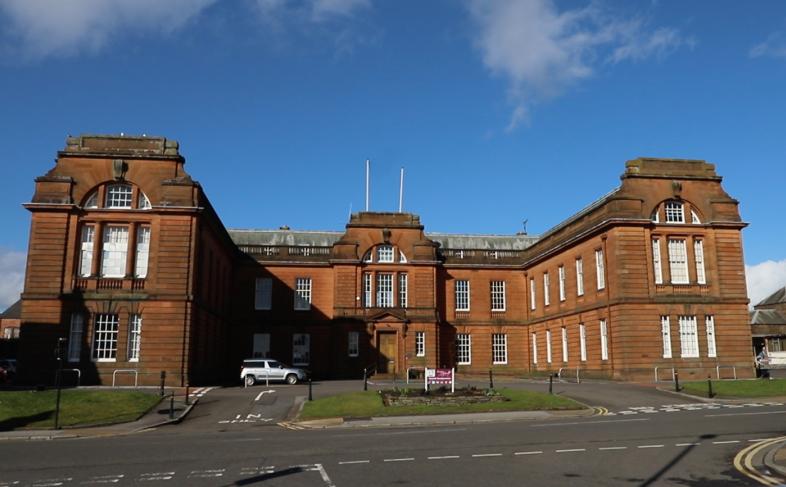
The report coming before the Economy and Infrastructure Committee on Tuesday 24 March sets out the progress made during 2024/25 and 2025/26, looks ahead to plans for 2026/27 and outlines how the council intends to strengthen delivery through improved engagement, infrastructure planning and partnership working.
The update forms part of a new six‑monthly reporting cycle, providing councillors and the public with regular visibility of all ongoing Active Travel activity.
The report also highlights how upcoming Active Travel Forums – bringing together internal teams, regional partners, national bodies and community organisations – will help refresh and coordinate the delivery plan for the region’s Active Travel Strategy 2.
A wide range of behaviour-change initiatives, community projects and preliminary infrastructure proposals progressed throughout 2025/26.
These range from cycling festivals and community bike hubs to disability cycling initiatives, walking programmes, school cycle parking, mobility hubs and heritage routes.
Major external funding applications have also been submitted for the 2026/27 cycle, including bids for Dumfries Better Streets, the Accessibility Connections Programme and Phase 1 of the Crossmichael to Castle Douglas Active Travel path.
If successful, these bids could enable significant construction and design work to begin later in the programme period.
Councillors will be asked to note and approve several key areas, including:
- Noting progress in delivering the 2025/26 Active Travel programme.
- Noting the development of 2026/27 People and Place proposals.
- Agreeing to the Active Travel Infrastructure five‑year programme.
- Agreeing that a further paper be brought back identifying successful applicants to the 2026/27 funding scheme.
- Agreeing that a full update on region‑wide Active Travel activity be brought later in 2026.
The report signals a continued and growing commitment to improving local routes, connecting settlements and making it easier and safer for people to choose walking, wheeling or cycling for short everyday journeys.
The work also supports local organisations – from community trusts to sports hubs and voluntary groups – helping them secure resources, pilot new ideas and build the behaviours and confidence that encourage people to be more active.
Initiatives like the award‑winning Active Lives Pathway highlight the wider health and social value of this work, offering new ways for people to be supported into everyday activity.
The three major infrastructure strands coming forward for 2026/27 – the Dumfries Better Streets Programme, the Active Travel Accessibility Connections Programme, and design work for future strategic routes – demonstrate a sustained direction of travel.
Together, they aim to modernise key corridors, remove barriers and improve access in the region’s largest towns and communities.
Cllr Andy Ferguson, Chair of the Economy and Infrastructure Committee, said:
“These recommendations will strengthen oversight and support effective delivery across our Active Travel programmes. By maintaining a clear, region‑wide view of progress, we can make sure investment and effort are well targeted and aligned with national policy.
“Most importantly, this work will deliver real benefits for local residents –better routes, better connections and more opportunities for people to walk, wheel and cycle with confidence.”
Cllr Tony Berretti, Vice‑Chair, said:
“Our communities are at the heart of Active Travel in Dumfries and Galloway. This report reflects the dedication of local groups, partners and organisations who are helping drive forward behaviour change and support healthier, more sustainable ways to get around.
The programmes proposed for 2026/27 will enhance accessibility, strengthen local networks and help towns and villages across the region to thrive.”
You can read the full committee report and appendices at: https://dumfriesgalloway.moderngov.co.uk/ieListDocuments.aspx?CId=624&MId=6491