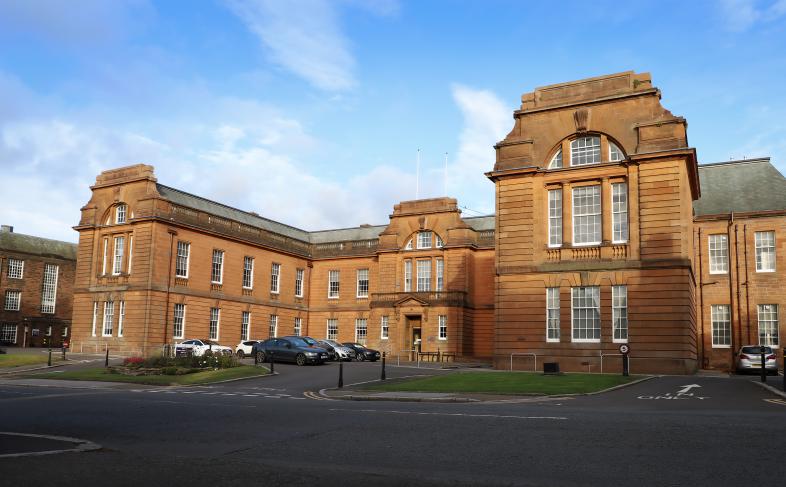
The Quarter 2 report – which covers 1 July to 30 September 2026 – forecasts that overall capital spending during financial year 2026/27 will be in line with the council's updated £70.7 million budgeted capital programme.
The programme includes major investment in schools, roads and transport infrastructure, regeneration and environmental projects across Dumfries and Galloway.
Among the achievements highlighted during the quarter are the opening of the new Dumfries High School, the start of construction on the Whitesands Flood Protection Scheme, nine new zero-emission buses entering service across the region and continued progress towards the new Dumfries Zero Waste Park.
Councillors will also be asked to consider a number of adjustments within the programme, including individual property, public realm and transport projects. The report proposes transferring £460,000 from the Active Travel budget to fund core paths work.
Councillors will also be asked to approve transferring £75,000 from the council’s public spaces and infrastructure budget to fund resurfacing of outdoor multi-use sports courts.
Chair of the council’s Economy and Infrastructure Committee, Cllr Andy Ferguson, said:
"Our capital programme represents significant investment in communities right across Dumfries and Galloway, and it is encouraging to see major projects continuing to move forward.
"From new and improved schools to flood protection, public transport and investment in our wider infrastructure, these projects have a very real impact on people's everyday lives.
“The proposed £460,000 for core paths is another important part of that investment, recognising the value of our local path network to communities across Dumfries and Galloway. The committee will carefully consider the latest position and the adjustments proposed as we continue to make sure investment is directed effectively."
Vice-Chair of the committee, Cllr Tony Berretti, said:
"Delivering a capital investment programme of this scale requires careful financial management alongside a continued focus on ensuring project delivery. There is positive progress across much of the programme, while the report is also clear about those projects where challenges remain.
"It is important that we continue to scrutinise progress closely and make the adjustments required to get the best possible value from the investment being made across the region."