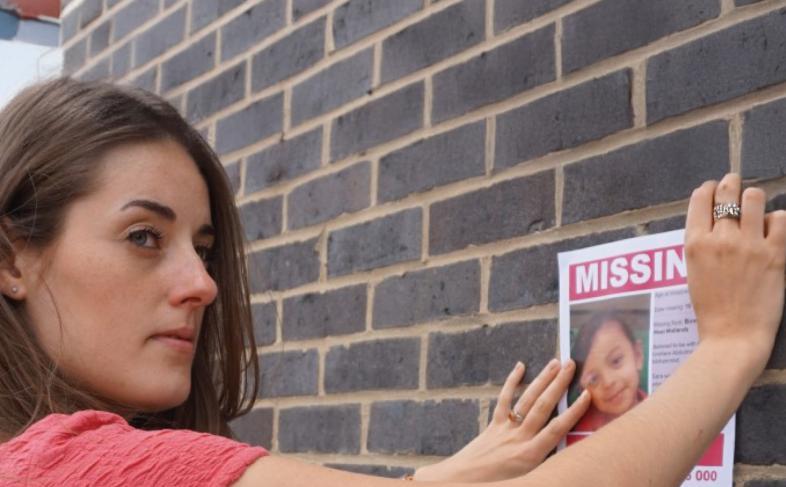
Missing episodes can happen for many reasons: fear, crisis, confusion, exploitation, relationship breakdown or a need to retreat from overwhelming circumstances. Whatever the cause, our local response focuses on safety, dignity and understanding.
Community members also play an essential role. Families, neighbours, friends and even passing acquaintances often hold pieces of information that help complete the picture. When these details are shared early, the chances of finding someone safe increase dramatically.
A Frontline Perspective: What It’s Really Like When a Person Goes Missing
While missing persons cases vary widely, some involve layers of vulnerability that professionals must understand and respond to quickly. One local social worker shared their experience of supporting a missing pregnant woman, an example that illustrates the emotional realities, the urgency and the multi‑agency response behind the scenes. Their account helps show what these situations feel like in real time for the person who is missing and for the professionals working to keep them safe.
“When a pregnant woman goes missing, the situation becomes uniquely complex. There are immediate concerns for her safety and wellbeing, as well as the safety of her unborn baby. In missing persons work, these cases often involve layers of vulnerability that aren’t visible at first.
Some women may keep a pregnancy hidden for many different reasons, including uncertainty, lack of support, or previous experiences that made engaging with services feel difficult. For a few, past contact with social work may have felt overwhelming, and this can understandably create hesitation. But our social work teams are there to help, not judge. Reaching out to services early is safe, supportive and the best way to stay well during pregnancy.
When a pregnancy isn’t known about until later, or only comes to light when someone goes missing, it means the woman may have missed important antenatal care that protects both her and her baby. Building trust and helping her reconnect with services is vital. The goal is always the same: to make sure she isn’t facing everything alone and can get the care she needs as soon as she’s found.”
This kind of case demands rapid, coordinated action. Police colleagues lead the response, ensuring that all relevant information is gathered to find the woman safely. This includes things like tracing her last known movements and continually assessing the risk for both the woman and her unborn child.
As part of the multi-agency response, information is gathered from partners within health, police and social work in order to build a picture of the circumstances and create a safety plan.
“In missing persons work, it becomes especially challenging when someone’s contact with services suddenly changes, for example missed appointments, unexpected moves or dropping out of touch. These moments can be early signs that a pregnant woman may be struggling, and they make it harder for professionals to understand what support is needed.
Even if a woman can’t be located straight away, maternity and social work teams must begin assessing what risks might be present, drawing on whatever information is available. This isn’t about judgement, it’s about making sure both mother and baby remain safe.
Women who conceal a pregnancy are often managing significant pressures such as domestic abuse, exploitation, mental health difficulties, learning needs or past experiences that make accepting support from services feel frightening. These factors can make coming forward harder, but getting support early is the safest and most protective option. Services are designed to work alongside women, offering reassurance and practical help rather than scrutiny and fear.
If someone gives birth without support, the risks can be serious, which is why staying connected to care is so important, and why finding a missing pregnant woman quickly is always a priority. That response relies on vital information sharing to assist police with finding the missing woman as soon as possible.”
Cases like this remind us that every missing person has their own story, pressures and vulnerabilities. Behind every search, there is a person who may be frightened, overwhelmed or trying to cope alone, and a network of professionals working to bring them safely back into support.
What You Can Do If You’re Worried Someone Is Missing
- Act quickly. Check the places they might go and call Police Scotland on 101, or 999 if there is immediate danger.
- Share what you know. Behavioural changes, known hang‑outs, fears they’ve expressed; nothing is too minor.
- Remember: it is not illegal for an adult to go missing. What matters is identifying whether someone is at risk and needs support.
If you’re pregnant, or supporting someone who is, and you feel unable to engage with services, please know that help is available. Reaching out does not mean being judged. It means being supported.
We All Have a Responsibility
Protecting vulnerable people is not limited to professionals. Every piece of shared information, every neighbour keeping an eye out, every friend checking in; all contribute to someone’s safety.
Dumfries and Galloway Council and our Public Protection partners remain committed to responding quickly, compassionately and collaboratively whenever someone goes missing. Because everyone deserves to be found safe.