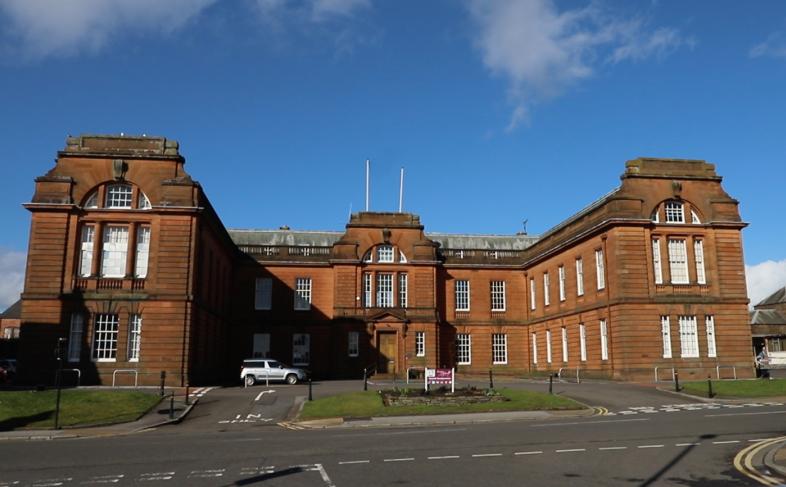
The Capital Investment Programme for 2026/27–2028/29 sets out how resources will be allocated across every non‑ICT asset class, following Full Council’s recent approval of a refreshed 10‑year Capital Investment Strategy.
It provides the detailed financial planning that will ensure projects can progress without delay from the start of the new financial year.
The report highlights that investment decisions are increasingly shaped by community needs, long‑term infrastructure pressures, the condition of the council’s assets and the requirement to target funding where it will deliver the greatest benefit for residents.
It also reflects the challenges posed by rising costs and the council’s ongoing commitment to modern, efficient and resilient public services.
Councillors are being asked to approve a series of key recommendations, including:
- Agreeing the detailed three‑year allocations for economic development, property, public realm and transport.
- Approving £270,161 from the Community Led Economic Regeneration Framework to complete advanced design work (RIBA Stage 4) on the Robert Burns Ellisland Heritage Centre – a nationally significant cultural project.
- Agreeing to accelerate over £1.6 million from future years of the Road Improvement Fund to strengthen strategic routes and deliver additional carriageway repair schemes sooner.
These allocations will shape investment across the region and help drive improvements that residents experience directly – from safer roads and better school buildings to upgraded public spaces and essential transport infrastructure.
The proposed programme includes investment in schools, including works to maintain buildings and support universal free school meals; roads and public realm, enabling resurfacing, maintenance and improvements to strategic routes, town centres and active transport links; and cultural and economic development priorities, such as the Ellisland Heritage Centre, which has the potential to bring national attention and economic benefits to the region.
Cllr Andy Ferguson, Chair of the Economy and Infrastructure Committee, said:
“Setting a clear, well‑planned capital programme is vital for ensuring our infrastructure remains safe, efficient and sustainable. These recommendations strengthen oversight and give us the tools to deliver projects effectively. At the same time, they support improvements residents will see and feel in their communities.”
Cllr Tony Berretti, Vice‑Chair, added:
“This programme directs investment where it will make the biggest difference – from our roads and schools to key regeneration projects. It’s a balanced, practical plan that helps meet community needs while ensuring we continue to manage resources responsibly.”
If approved, the three‑year Capital Investment Programme will guide project delivery from April 2026, with quarterly progress updates to committee throughout the year. The agenda and report for the 24 March committee meeting can be found at: https://dumfriesgalloway.moderngov.co.uk/ieListDocuments.aspx?CId=624&MId=6491